Daoism
Zi Wei Hui Meaning in Daoist Symbolism: What It Represents and Why It Matters
Zi Wei Hui Meaning in Daoist Symbolism explained in clear English. Learn what Zi Wei Hui is, what it represents, how it differs from Bagua, why it is sometimes called Yu Jian Er, and why it still matters today.
Zi Wei Hui Meaning in Daoist Symbolism
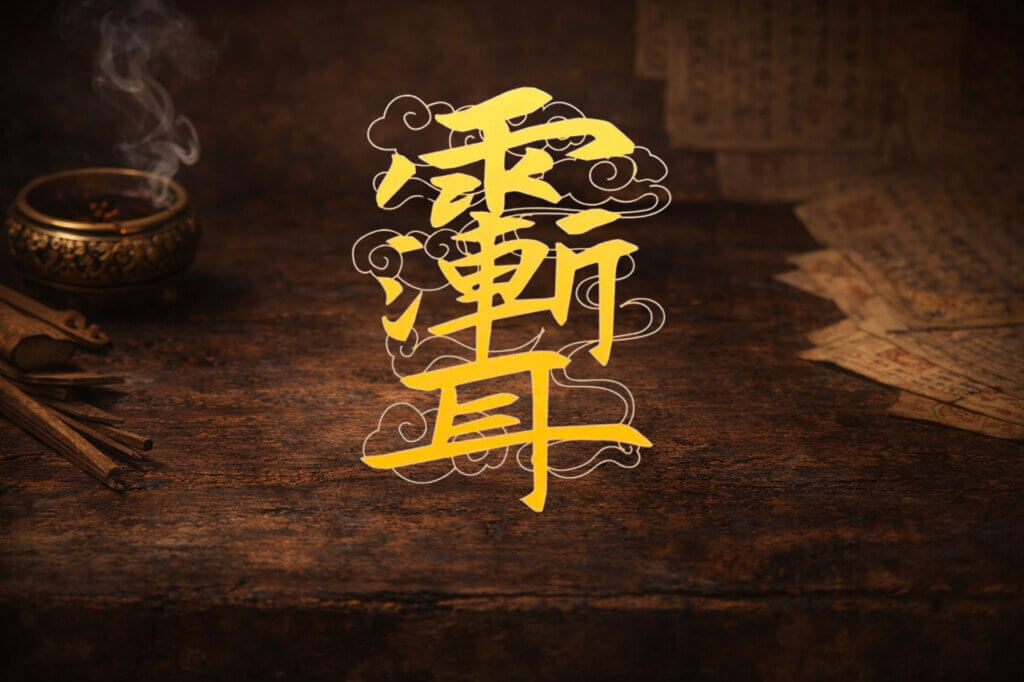
Zi Wei Hui Meaning in Daoist Symbolism refers to a sacred Daoist symbol commonly understood through ideas of heavenly centrality, symbolic authority, and protective order. The first questions many people ask are direct: What is Zi Wei Hui? What does it represent? How is it different from Bagua? Why is it sometimes called Yu Jian Er? These questions matter because Zi Wei Hui is more than an ornate spiritual mark. In Daoist symbolism, it is often understood as a sign of centered protection, inner steadiness, and alignment with a larger structure rather than a generic symbol of luck.
Zi Wei Hui often appears on pendants, charms, engraved objects, ritual-style plaques, or talisman-inspired designs. In Chinese explanation, its traditional form is also commonly referred to as “Yu Jian Er” (雨漸耳 / 雨渐耳), a practical way of describing the recognizable structure of the symbol. That name does not replace its deeper meaning, but it helps identify the traditional form more accurately.
At first glance, Zi Wei Hui may look like a complex sacred sign. But appearance alone does not explain why it continues to matter. Its deeper significance lies in what it conveys: centered protection, heavenly order, symbolic authority, and a sense of inner position in the midst of disorder.
In Daoist symbolic language, Hui is not best understood as an ordinary written character. It is closer to a sacred, hidden, or esoteric written form associated with presence, authority, and ritual meaning. When linked with Zi Wei—commonly associated with heavenly centrality, the North Star principle, and cosmic regulation—the symbol becomes more than decorative. It becomes a visual language of order.
That is why Zi Wei Hui still matters now. In a culture saturated with vague spiritual aesthetics, it offers something rarer: a symbol that suggests structure rather than fantasy, steadiness rather than spectacle, and meaning rather than ornament alone.
What Is Zi Wei Hui?
To understand Zi Wei Hui Meaning in Daoist Symbolism, it helps to begin with the term itself.
Hui as sacred or hidden writing
In Daoist symbolic and ritual culture, Hui is often understood as a sacred or hidden written form rather than an ordinary character used in daily language. It functions less like plain text and more like a concentrated symbolic sign of presence, rank, and authority.
Zi Wei as heavenly centrality
Zi Wei is commonly associated with heavenly centrality. In symbolic interpretation, it points to an ordered cosmos: not random, not chaotic, but structured through position, relation, and governing principle.
The traditional form commonly called “Yu Jian Er”
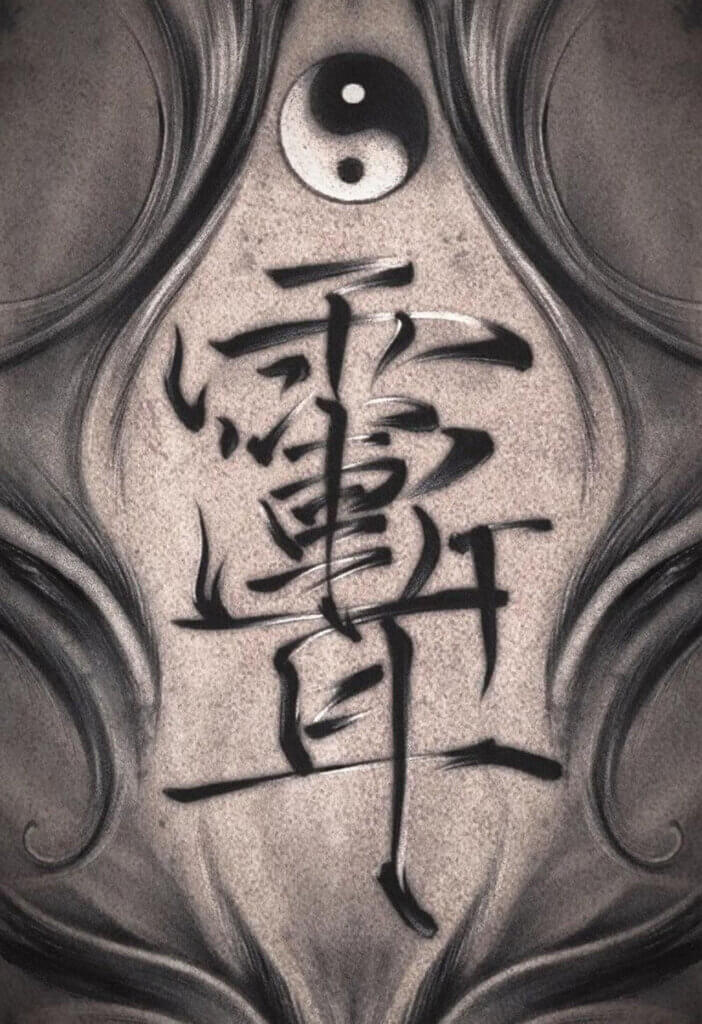
In Chinese explanation, the traditional shape of Zi Wei Hui is often described as “Yu Jian Er”, written as 雨漸耳 or 雨渐耳. This is a practical descriptive name for the recognizable visual structure of the symbol. It helps distinguish the traditional form from decorative imitation, modern logo-like redesign, or unrelated graphic motifs.
Zi Wei Hui as a symbol of protective order
When these meanings come together, Zi Wei Hui can be understood as a symbol of protective order. Its meaning is not only about keeping negativity away. It also suggests returning to center, holding one’s place, and remaining aligned with a larger structure.
What Does Zi Wei Hui Represent?
The deeper meaning of Zi Wei Hui is best understood through the kind of condition it symbolizes.
1、Center rather than drift
Zi Wei Hui speaks to the need to remain inwardly centered when life becomes scattered.
2、Order rather than confusion
It is often associated with restoration of structure rather than simple rejection of what feels negative.
3、Authority rather than instability
Its authority is not loud or theatrical. It feels measured, elevated, and self-possessed.
4、Clarity rather than symbolic excess
Many people are drawn to Zi Wei Hui because it feels spiritually serious without becoming vague, decorative, or exaggerated.
5、Position rather than vagueness
One of the most useful ways to understand this symbol is through the idea of position. It does not only imply blessing. It implies being properly centered within a meaningful order.
Why Zi Wei Hui Feels Different from Other Daoist Symbols
Many Daoist symbols carry power, but they do not all communicate the same atmosphere.
It feels more formal
Zi Wei Hui often feels more upright and composed than decorative spiritual motifs.
It feels more centered
Where some symbols suggest movement, transformation, or energetic circulation, Zi Wei Hui often suggests centrality, steadiness, and stable command.
It feels more restrained
Its appeal comes from dignity and structure, not visual softness or dramatic mystique.
It feels less generic
That is why it can stand apart from broad “protection symbols.” It does not only imply safety. It implies order, place, and inward steadiness.
This is one reason it resonates with readers looking not just for “protection,” but for:
- stronger inner steadiness
- calmer boundaries
- greater clarity
- a more anchored symbolic atmosphere
Zi Wei Hui vs. Bagua
This is one of the most useful comparisons for anyone new to Daoist symbolism.
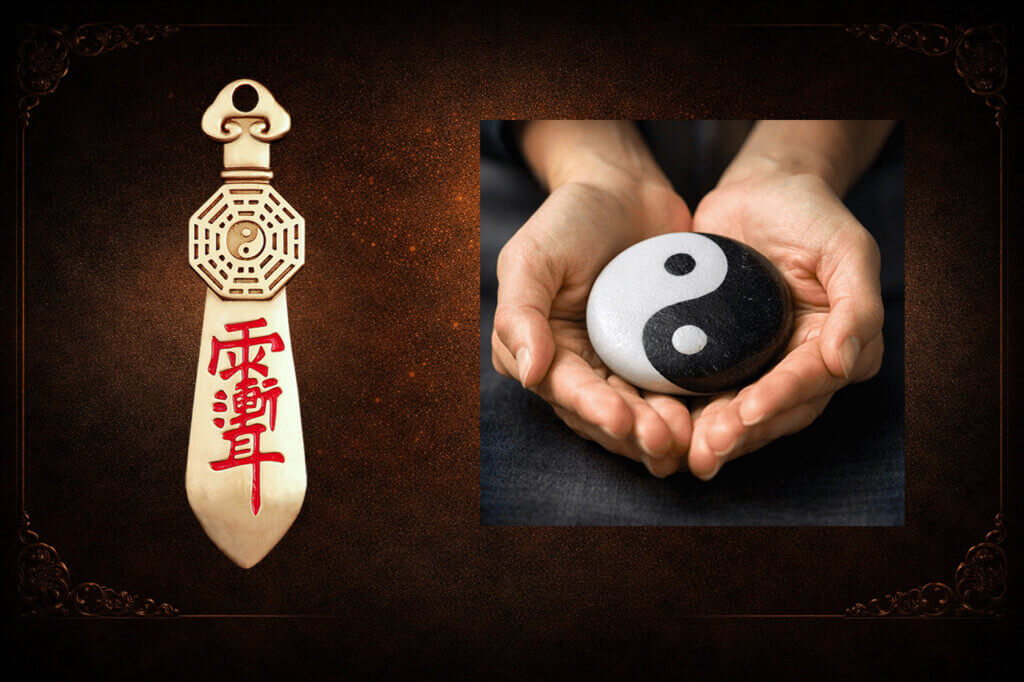
Bagua is often understood through pattern and change
Bagua is commonly associated with direction, balance, relationship, and transformation.
Zi Wei Hui is often understood through center and order
Zi Wei Hui carries a stronger sense of centrality, regulation, uprightness, and stabilizing authority.
Bagua reads the field; Zi Wei Hui holds the center
This is not a rigid rule, but it is a useful distinction. Bagua often helps people think about movement, relation, and pattern. Zi Wei Hui more often evokes the idea of holding a central position within order.
Why the difference matters
Someone drawn to Bagua may be interested in change, flow, and spatial pattern. Someone drawn to Zi Wei Hui may be looking for a symbol of steadiness, structure, and centered protection.
This distinction helps clarify that Daoist symbols do not all communicate the same kind of meaning.
For readers who want a broader framework first, see Bagua Meaning Explained. If you want a wider overview of related traditions, explore Daoist Symbols and Their Meanings and Five Elements Meaning in Daoism.
What People Often Misunderstand About Zi Wei Hui
Misunderstanding usually happens when the symbol is explained too vaguely.
It is not just a “good luck symbol”
That description is too shallow and removes its distinctiveness.
It is not only about fear-based protection
Zi Wei Hui is better understood as a symbol of order, orientation, and spiritual steadiness.
It is not meaningful only inside formal ritual
Even outside technical ritual settings, it can still be understood as a culturally rooted symbol of center, clarity, and restraint.
It is not well explained by modern logo aesthetics
When the symbol is redrawn too cleanly, too symmetrically, or too graphically, it often loses the visual irregularity and ritual character that make the traditional form recognizable.
Why “Yu Jian Er” Matters in Understanding the Symbol
The phrase Yu Jian Er matters because it gives a practical entry point into a symbol that can otherwise seem remote or opaque.
It helps identify the traditional form
For people comparing images online, the phrase helps distinguish a traditional-looking Zi Wei Hui from a modern stylized imitation.
It protects against oversimplification
Without this detail, Zi Wei Hui can easily be flattened into a generic “Daoist icon.”
It connects visual recognition with symbolic meaning
The name itself does not explain the whole symbol, but it helps keep the discussion tied to an actual traditional form rather than a vague idea.
Why This Topic Has Lasting Meaning
A symbol lasts when it continues to answer a real human need.
Zi Wei Hui remains meaningful because it gives shape to a question many people still ask in different ways:
How do I stay centered when everything around me feels noisy, unstable, or excessive?
That is why the symbol continues to resonate. It represents:
- centered protection
- heavenly order
- calm authority
- clarity
- steadiness
- alignment with a greater structure
Final Thoughts
The lasting value of Zi Wei Hui Meaning in Daoist Symbolism is not that it sounds secretive or looks visually complex.
Its value is that it gives form to a timeless need: the need for structure without rigidity, steadiness without passivity, and meaning without cliché.
Zi Wei Hui is not important because it promises simplistic luck. It remains important because it suggests a more refined form of protection: one based on center, order, and symbolic clarity.
That is why it still speaks clearly today.
FAQ
What is Zi Wei Hui in Daoism?
Zi Wei Hui is commonly understood as a sacred or hidden symbolic form associated with Daoist ideas of heavenly centrality, order, and spiritual authority.
What does Zi Wei Hui mean?
It is often understood as representing centered protection, clarity, steadiness, and alignment with a larger order.
Is Zi Wei Hui the same as Bagua?
No. Bagua is more often associated with pattern, direction, and change, while Zi Wei Hui carries a stronger sense of centrality, order, and stabilizing authority.
Is Zi Wei Hui a normal Chinese character?
No. It is better understood as a sacred or esoteric symbolic form rather than an ordinary everyday character.
Is Zi Wei Hui used in Daoist talismans?
It is often discussed in relation to Daoist symbolic and talismanic culture, especially in contexts where sacred signs are understood as carriers of authority, order, and protective meaning.
Why is Zi Wei Hui associated with heavenly order?
Because Zi Wei is commonly linked with heavenly centrality, regulation, and the idea of an ordered cosmos structured through position and governing principle.
Why is Zi Wei Hui sometimes called “Yu Jian Er”?
Because in Chinese usage, “Yu Jian Er” (雨漸耳 / 雨渐耳) is a common descriptive way of referring to the traditional visual form of the Zi Wei Hui symbol. It points to the recognizable structure of the symbol rather than translating its deeper religious meaning directly.
Why does Zi Wei Hui still matter today?
Because it speaks to enduring human needs such as grounding, clarity, restraint, and meaningful symbolism.