

Daoism
Founder of Daoism: Who Founded Daoism? Laozi and Zhang Daoling Explained
Who founded Daoism? Learn the true origins of Daoism, including Laozi as the founder of Daoist philosophy and Zhang Daoling as the founder of organized religious Daoism.
Founder of Daoism: Who Founded Daoism?
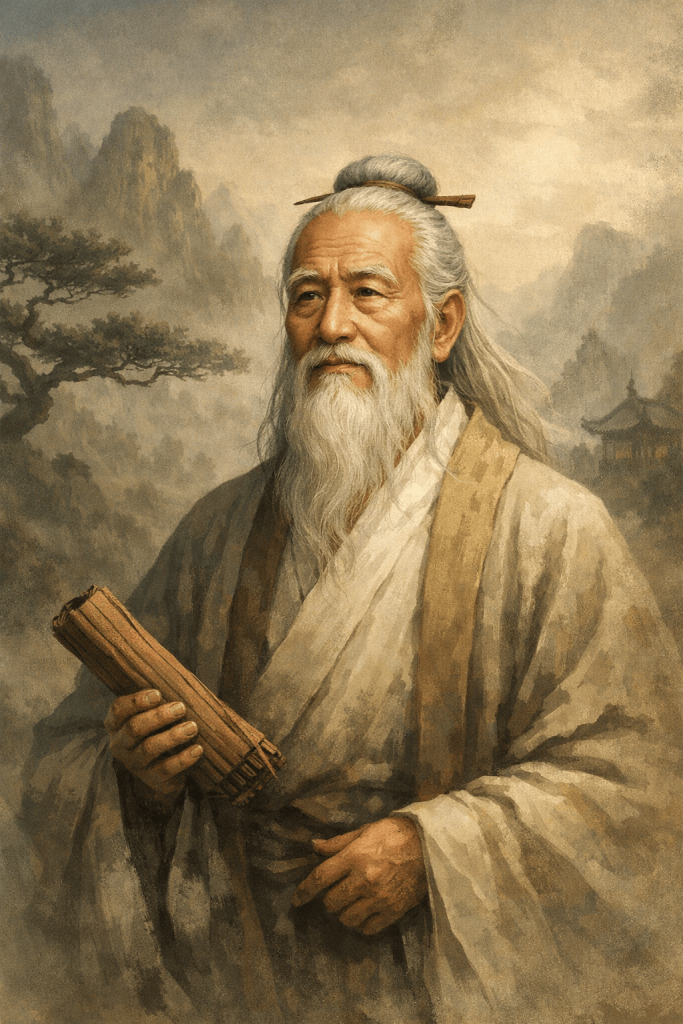
Daoism (also spelled Taoism) is one of the oldest philosophical and spiritual traditions in Chinese history. Many people searching online ask a simple question: Who founded Daoism?
Unlike many religions that have a single historical founder, Daoism developed gradually over centuries. Its ideas emerged from ancient Chinese philosophy, nature-based traditions, meditation practices, and later organized religious movements.
Because of this unique development, the answer to the question “Founder of Daoism” actually involves two important historical figures.
• Laozi — the founder of Daoist philosophy
• Zhang Daoling — the founder of organized religious Daoism
Understanding these two figures helps explain how Daoism evolved from philosophical wisdom into a living spiritual tradition that continues to influence millions of people today.
Why Daoism Does Not Have One Single Founder
Many major world religions can be traced back to one specific founder. However, Daoism followed a very different path.
Instead of beginning with a single religious leader, Daoism developed slowly through centuries of cultural evolution. Its foundations include:
- Ancient Chinese nature worship
- Early shamanic traditions
- Philosophical writings from classical thinkers
- Meditation and longevity practices
- Folk religious rituals and healing traditions
These influences gradually blended together, forming the philosophical and spiritual system we now call Daoism.
Because of this organic development, historians usually identify two different types of founders in Daoism:
- The founder of Daoist philosophy
- The founder of organized Daoist religion
Laozi: The Founder of Daoist Philosophy
Who Was Laozi?
Laozi (Lao Tzu) is traditionally believed to have lived during the 6th century BCE. He is widely regarded as the author of the famous philosophical text Tao Te Ching (Dao De Jing).
This short but profound book became one of the most influential works in Chinese philosophy and later formed the intellectual foundation of Daoism.
However, Laozi did not create a religion. He did not build temples, establish priesthoods, or create religious institutions.
Instead, Laozi offered a philosophical framework for understanding life, nature, and human behavior.
Core Ideas Introduced by Laozi
The Tao Te Ching introduced several fundamental Daoist ideas that continue to shape Daoist thought today.
Dao (The Way)
The Dao is the underlying principle that governs the universe. It represents the natural order of existence and the flow of reality itself.
Wu Wei (Non-Forcing)
Wu Wei means acting in harmony with natural flow rather than forcing outcomes through struggle or resistance.
It encourages effortless action aligned with nature.
Ziran (Naturalness)
Ziran refers to living according to one’s true nature. It emphasizes authenticity and spontaneity rather than artificial control.
Balance and Harmony
Daoist philosophy teaches that opposite forces—such as yin and yang—are not enemies but complementary aspects of reality.
Harmony emerges when these forces remain balanced.
Because Laozi created the philosophical foundation of Daoist thought, he is often considered the founder of Daoist philosophy.
Zhang Daoling: The Founder of Religious Daoism
The Birth of Organized Daoism
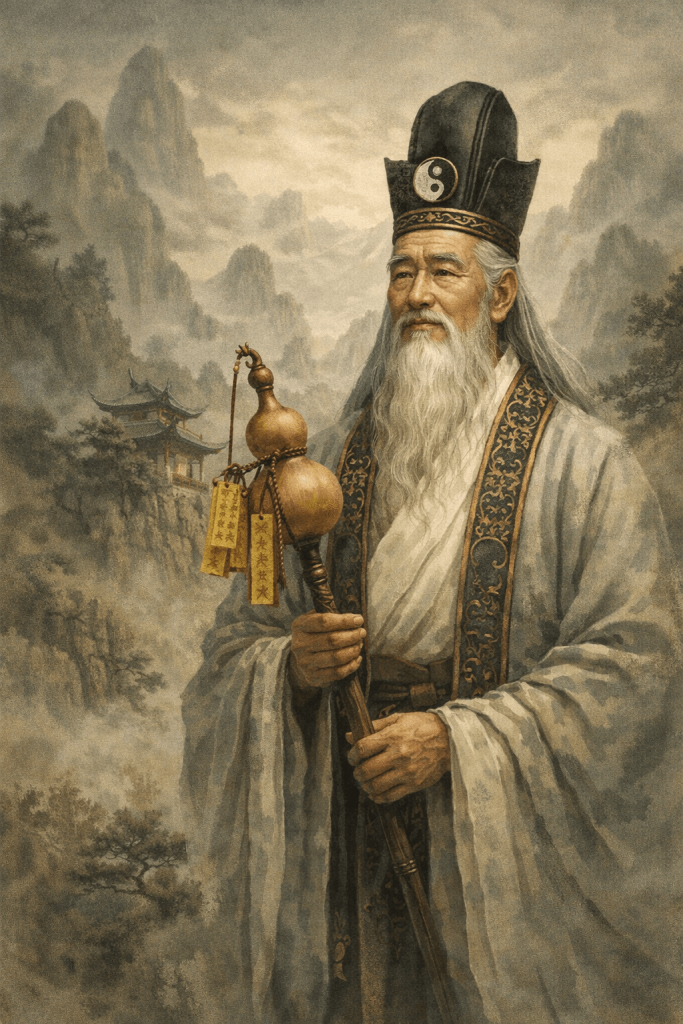
Several centuries after Laozi, Daoism began evolving into a structured religious tradition.
During the 2nd century CE, in the Eastern Han Dynasty, a spiritual leader named Zhang Daoling founded a religious movement known as the Way of the Celestial Masters (Tianshi Dao).
This marked the beginning of organized Daoist religion.
What Zhang Daoling Established
Zhang Daoling introduced important religious structures that shaped Daoism for centuries:
- Formal Daoist rituals
- Ethical rules for followers
- A structured Daoist priesthood
- Healing rituals and talisman traditions
- Organized religious communities
According to Daoist tradition, Zhang Daoling received a divine revelation from Laozi, who by that time had become a deified spiritual figure within Daoism.
Because of these contributions, Zhang Daoling is widely recognized as the founder of organized Daoism.
How Daoism Naturally Evolved Over Time
Daoism continued evolving long after these early figures. Over the centuries, many new practices became part of Daoist culture.
These included:
- Meditation and inner cultivation practices
- Feng Shui energy alignment
- Longevity techniques and internal alchemy
- Symbolic talismans and protective charms
- Temple rituals and community ceremonies
Rather than remaining fixed, Daoism adapted to different historical periods and cultural needs.
This flexibility reflects a key Daoist belief: truth unfolds naturally through harmony with the Dao.
Why Daoism Still Matters in the Modern World
Despite being more than two thousand years old, Daoist philosophy remains highly relevant today.
In a world filled with stress, competition, and uncertainty, Daoism offers a different perspective on life.
Its teachings encourage:
- Balance instead of extremes
- Adaptability instead of rigid control
- Inner awareness instead of external authority
- Harmony with nature instead of domination over it
For many people, Daoist wisdom provides a calmer and more sustainable approach to modern living.
Summary: Who Founded Daoism?
The answer to the question “Who founded Daoism?” depends on how we define the word founder.
Two historical figures played crucial roles in shaping Daoism.
Laozi
Founder of Daoist philosophy and author of the Tao Te Ching.
Zhang Daoling
Founder of organized religious Daoism and the Celestial Masters tradition.
Rather than emerging from a single moment in history, Daoism developed gradually through centuries of philosophical reflection, spiritual practice, and cultural tradition.
This living tradition continues to influence philosophy, spirituality, and everyday life across the world today.
Frequently Asked Questions About the Founder of Daoism
Who is the founder of Daoism?
Daoism does not have a single founder. Laozi is considered the founder of Daoist philosophy, while Zhang Daoling founded organized religious Daoism.
Did Laozi create Daoism as a religion?
No. Laozi created the philosophical foundation of Daoism through the Tao Te Ching, but organized religious Daoism developed several centuries later.
What is the difference between Daoist philosophy and religious Daoism?
Daoist philosophy focuses on ideas such as harmony, natural flow, and balance with the Dao. Religious Daoism includes temples, rituals, priests, and organized spiritual practices.