
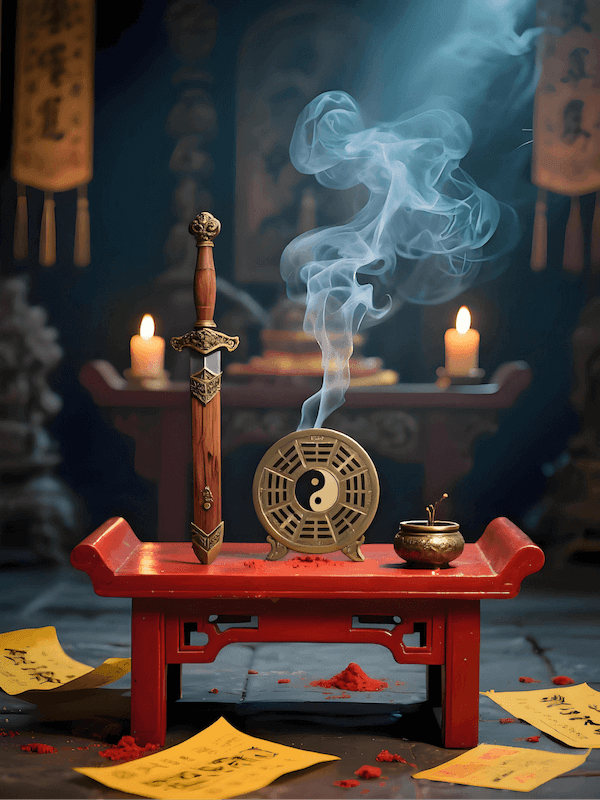
Daoism
Why Daoism Still Matters Today: Ancient Wisdom for Modern Life Balance
Why does Daoism still matter today? Discover how ancient Daoist philosophy helps modern people reduce stress, understand life patterns, and make better decisions.

Why Daoism Still Matters Today in Modern Life
Quick Answer: Why Daoism Still Matters Today
The reason Daoism still matters today is surprisingly simple: it teaches people how to live in harmony with change rather than constantly fighting against it.
Modern society moves quickly. People are encouraged to work harder, think faster, and constantly optimize their lives. Yet many individuals still experience stress, burnout, and a feeling of losing direction.
Daoist philosophy offers a different perspective. Instead of trying to control everything, Daoism teaches people to understand natural patterns—timing, balance, and flow.
For many modern readers, this ancient philosophy provides something rare: a framework for navigating uncertainty without becoming overwhelmed by it.
What Is Daoism? Understanding the Core Idea
Daoism, also known as Taoism, originated in ancient China more than two thousand years ago. It is traditionally associated with the philosopher Laozi and the classic text Dao De Jing.
At the center of Daoist philosophy is the concept of Dao, often translated as “The Way.”
However, the Dao is not a rule, command, or moral doctrine. Instead, it refers to the natural order through which life unfolds.
According to Daoist thought, everything in the universe follows certain patterns:
- growth and decline
- action and rest
- expansion and contraction
Human life is no different.
When people ignore these natural cycles and attempt to force outcomes at the wrong time, frustration and imbalance often follow.
Understanding the Dao means learning to recognize these patterns and move with them rather than against them.
The Daoist Principle Modern Life Often Forgets
One of the most important ideas in Daoist philosophy is Wu Wei.
Many people translate Wu Wei as “doing nothing,” but this interpretation is misleading.
Wu Wei actually describes effort that aligns with circumstances.
What Wu Wei Really Means
Wu Wei suggests that the most effective action often occurs when people understand the situation before acting.
Instead of forcing results, Daoism encourages:
- observation
- patience
- strategic timing
This approach may seem unusual in a culture that values constant productivity, but it reflects a deeper understanding of how change actually occurs.
Example: Wu Wei in Modern Work Life
Imagine someone pushing aggressively for a promotion while their workplace is going through structural changes.
Working harder may not solve the problem.
A Daoist perspective would suggest observing the environment first—waiting for the right moment, adjusting direction, and acting when conditions support progress.
Wu Wei is not passive behavior. It is intelligent alignment with reality.
Why Daoism Feels Surprisingly Relevant Today
Many people in modern societies are rediscovering Daoism because its ideas address problems that are increasingly common today.
1、Daoism Helps Explain Burnout
Modern productivity culture encourages constant activity and efficiency.
However, Daoist philosophy emphasizes that life moves in cycles. Energy must be balanced between effort and recovery.
From this perspective, rest is not weakness—it is a necessary stage before renewal.
This understanding resonates strongly with people experiencing burnout or chronic stress.
2、Daoism Offers Meaning Without Dogma
Many modern individuals are searching for meaning but feel disconnected from organized religion.
Daoism does not require strict belief or institutional authority.
Instead, it encourages personal observation:
- observing nature
- observing patterns in life
- observing oneself
Because of this flexible approach, Daoism often feels accessible to Western readers who value independent thinking.
3、Daoism Explains Timing in Success
Another reason Daoism remains relevant is its emphasis on timing.
Modern culture often promotes the idea that success comes from effort alone.
Daoist philosophy suggests that three elements must work together:
- direction
- timing
- environment
Effort applied at the wrong moment can create resistance instead of progress.
Understanding timing is therefore just as important as working hard.
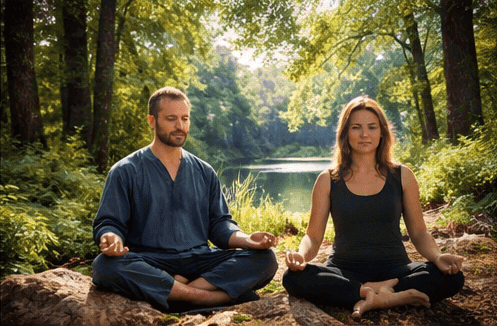
Daoism and Understanding Life Patterns
For centuries, Daoist traditions have explored patterns within nature and human life.
One example is Bazi(Explore deeper Daoist insights into life timing, destiny patterns, and personal balance.), also known as the Four Pillars of Destiny. This traditional system analyzes the relationship between time cycles and personal characteristics.
The purpose of such systems was never to predict exact events.
Instead, they help people understand:
- natural strengths and tendencies
- life cycles and turning points
- periods of opportunity or challenge
In modern terms, this can be compared to understanding the “operating system” of one’s life.
When people understand their natural patterns, they are often able to make more balanced and informed decisions.
How Daoist Wisdom Can Be Applied Today
Daoism is not only philosophical—it is practical.
Even in modern life, its ideas can be applied in simple ways.
Examples include:
Observing before reacting
Instead of immediately responding to every challenge, Daoist thinking encourages a moment of observation.
Respecting natural cycles
Periods of rest, reflection, and learning are as important as periods of action.
Choosing timing carefully
Many opportunities succeed not because they are forced, but because they appear at the right moment.
These ideas may seem simple, but they often lead to clearer thinking and better long-term decisions.
Why Daoism Still Matters Today
Although Daoism developed more than two thousand years ago, the human challenges it addresses remain remarkably similar today.
People still struggle with:
- uncertainty
- ambition
- imbalance
- rapid change
Daoist philosophy does not promise control over the world.
Instead, it teaches how to live wisely within it.
By emphasizing balance, timing, and awareness, Daoism provides a perspective that feels surprisingly modern.
Final Reflection
Daoism has endured for centuries not because it resists change, but because it understands change.
In a world that moves faster every year, Daoist wisdom reminds us that clarity often comes not from pushing harder, but from seeing the bigger pattern.
That insight explains why Daoism still matters today.
Frequently Asked Questions About Daoism
What does Daoism teach about life?
Daoism teaches that life follows natural patterns and cycles. Instead of forcing outcomes, Daoist philosophy encourages people to observe timing, adapt to change, and maintain balance between effort and rest. This approach helps individuals navigate uncertainty with greater clarity.
Is Daoism a religion or a philosophy?
Daoism can be both a philosophy and a religion. Philosophical Daoism focuses on understanding nature, balance, and personal harmony, while religious Daoism includes rituals, temples, and spiritual practices. Many modern readers are drawn to the philosophical aspects of Daoism.
Why is Daoism becoming popular again?
Daoism is gaining attention again because its ideas address modern problems such as stress, burnout, and loss of life balance. Many people find Daoist principles helpful for understanding timing, decision-making, and personal wellbeing.
How can Daoism help modern life?
Daoism helps modern life by encouraging awareness, patience, and balance. Instead of reacting immediately to every challenge, Daoist thinking promotes observation and strategic action. This perspective can improve decision-making, reduce stress, and support long-term personal growth.
What is Wu Wei in Daoism?
Wu Wei is a key Daoist concept often translated as “effortless action.” It means acting in harmony with circumstances rather than forcing outcomes. Wu Wei does not mean doing nothing—it means acting at the right time and in the right way.
Learn how traditional systems like Bazi analysis can help you better understand your life path and decision cycles.