
Daoism
Daoism vs Confucianism: Key Differences, Philosophy & Modern Meaning
Daoism vs Confucianism explained in simple terms. Discover the key differences, philosophy, and how these ancient ideas shape modern life, destiny, and personal balance.
Daoism vs Confucianism
Two Ancient Ideas That Explain Why Life Unfolds Differently
When people first explore Chinese philosophy, one question often appears:
What is the difference between Daoism and Confucianism?
At first glance, they may look similar. Both emerged in ancient China and both influenced culture for thousands of years.
But in reality, they describe two very different ways of understanding life.
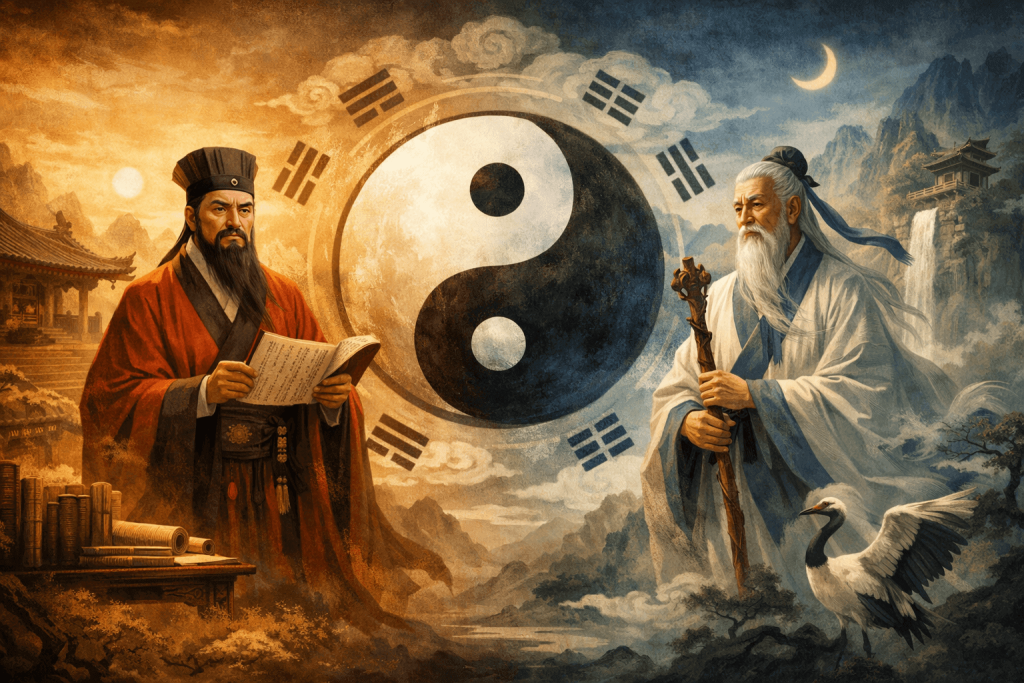
Confucianism focuses on how humans should organize society.
Daoism focuses on how humans should align with the natural flow of the universe.
One teaches structure.
The other teaches flow.
Understanding Daoism vs Confucianism is not about choosing a belief.
It is about recognizing two different ways people respond to the challenges of life.
A Simple Way to Understand Daoism vs Confucianism
For Western readers, the easiest way to understand the difference is through a simple comparison.
Confucianism asks:
How can humans build a stable society?
Daoism asks:
How can humans live in harmony with nature and the universe?
Confucian philosophy believes that order must be created through discipline, roles, and moral responsibility.
Daoist philosophy believes that life already contains a natural order — and problems appear when humans try to control too much.
In other words:
Confucianism teaches how to manage the world.
Daoism teaches how to move with the world.
Historical Origins: Why These Two Philosophies Appeared
Both traditions developed during one of the most chaotic periods in Chinese history — the Spring and Autumn period and the Warring States era.
Society was unstable.
Wars between states were constant.
Traditional systems were breaking down.
Different thinkers proposed different solutions.
Confucian thinkers believed society needed strong moral leadership and structured relationships.
Daoist thinkers believed that excessive control and ambition were the very reasons chaos existed.
So while both philosophies responded to the same historical crisis, their conclusions were completely different.
Core Philosophy Differences
If you want a quick overview, the table below summarizes the key differences between Daoism and Confucianism.
Daoism vs Confucianism: Key Differences at a Glance
| Aspect | Daoism (Taoism) | Confucianism |
|---|---|---|
| Core Focus | Living in harmony with the natural flow of the universe | Creating order and stability within human society |
| Key Question | “Is this the right moment?” | “What is the correct action?” |
| View of Nature | Nature is the ultimate guide | Nature is secondary to social order |
| Human Role | Align with natural patterns | Improve society through discipline |
| Main Principle | Wu Wei (effortless action) | Moral responsibility and duty |
| Goal of Life | Harmony with the Dao | Social harmony and ethical conduct |
| Personal Development | Awareness, balance, and timing | Character, responsibility, and contribution |
| Modern Influence | Feng Shui, meditation, natural living | Education systems, governance, ethics |

Confucianism: Order Through Human Effort
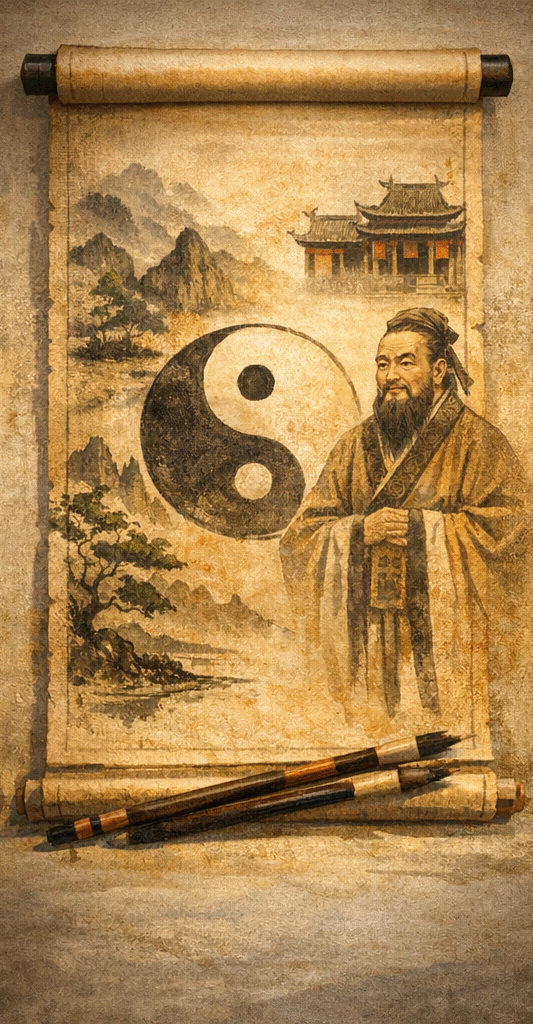
Confucian philosophy centers on the idea that humans can improve the world through discipline and ethical behavior.
Important values include:
- moral responsibility
- social roles
- respect for tradition
- loyalty and family structure
In Confucian thinking, a person becomes fulfilled by contributing to society.
A good life is one that strengthens harmony within families, communities, and governments.
Because of this focus, Confucianism strongly influenced:
- education systems
- government administration
- social hierarchy in East Asia.
Daoism: Harmony Through Natural Flow
Daoism begins with a very different observation.
Instead of focusing on social systems, Daoism looks at the patterns of nature and the universe.
The central concept is the Dao (The Way) — the invisible principle that governs the movement of all things.
Daoist philosophy teaches that life works best when we follow natural rhythms rather than forcing outcomes.
Key ideas include:
- Wu Wei — effortless action
- Yin and Yang — dynamic balance
- Natural cycles — everything changes in time
Rather than forcing success, Daoism teaches people to recognize the right moment to act.
Daoism vs Confucianism: Action vs Timing
A helpful way to understand their difference is this:
Confucianism asks:
What is the correct action?
Daoism asks:
Is this the correct moment?
Confucian thinking improves behavior and structure.
Daoist thinking develops awareness and timing.
This difference explains why Daoism often feels more mysterious.
Instead of rules, it offers insights into patterns and cycles.
Why Daoism and Confucianism Are Still Relevant Today
Even in modern life, these two philosophies still shape how people think.
Most modern societies operate in a Confucian-style structure:
- career expectations
- deadlines
- productivity
- social responsibilities
But when people feel overwhelmed or disconnected, they often turn to Daoist ideas.
Daoism offers a reminder that life is not only about effort.
It is also about timing, balance, and alignment.
Daoism vs Confucianism in Modern Self-Development
Many modern self-development ideas actually echo these ancient philosophies.
For example:
Confucian-style thinking encourages:
- discipline
- personal responsibility
- contribution to society
Daoist thinking encourages:
- mindfulness
- flow states
- understanding life cycles
Together, they create a balanced approach to growth.
Why Many People Combine Daoism and Confucianism
Historically, people rarely chose only one philosophy.
Instead they used both.
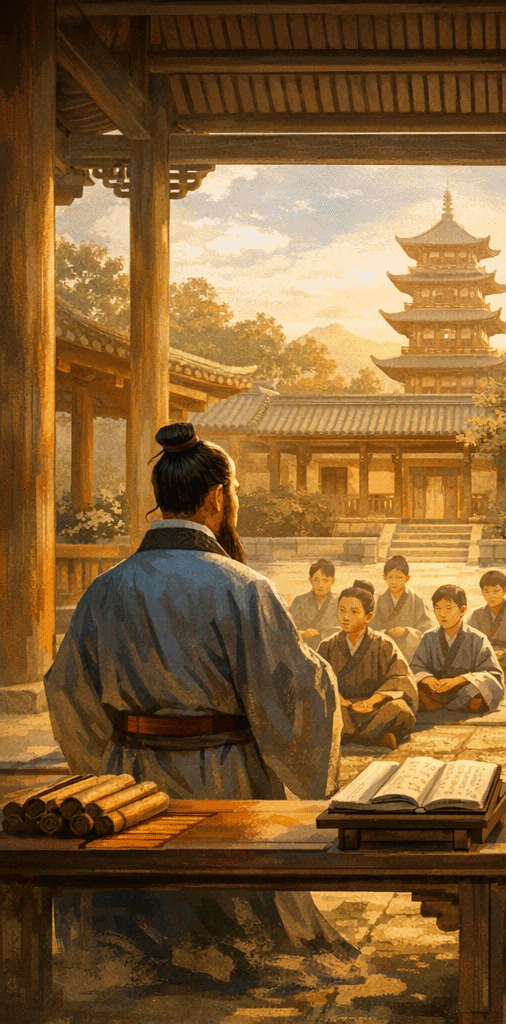
Confucianism guided public life — work, family, social responsibility.
Daoism guided inner life — reflection, nature, personal balance.
This dual approach allowed individuals to live effectively in society while staying connected to deeper meaning.
Ancient Daoist Wisdom and Personal Destiny
One fascinating aspect of Daoist thought is its focus on patterns of timing.
Instead of predicting the future directly, Daoist systems attempt to understand the cycles influencing human life.
Over time, this perspective developed into practices such as:
- Feng Shui
- the I Ching
- Bazi (Four Pillars of Destiny)
These systems aim to help people understand:
- personal timing
- energetic balance
- opportunities and challenges in life.
Rather than controlling destiny, they help people align with it.
Conclusion: Two Ways of Navigating Life
The debate between Daoism vs Confucianism is not about which philosophy is correct.
Instead, they represent two complementary ways of approaching life.
Confucianism teaches how to build a stable society through responsibility and structure.
Daoism teaches how to stay aligned with the deeper rhythms of the universe.
One strengthens the world around us.
The other helps us understand the forces moving beneath it.
For many people today, the real wisdom lies in understanding both.
If you’re interested in exploring how Daoist timing principles apply to your own life, you may find insight through Bazi destiny analysis, which reveals the natural cycles influencing your personal path.
———Bazi destiny analysi
To understand these ideas more deeply, it helps to explore the origins of Daoism and how its philosophy developed over time.